
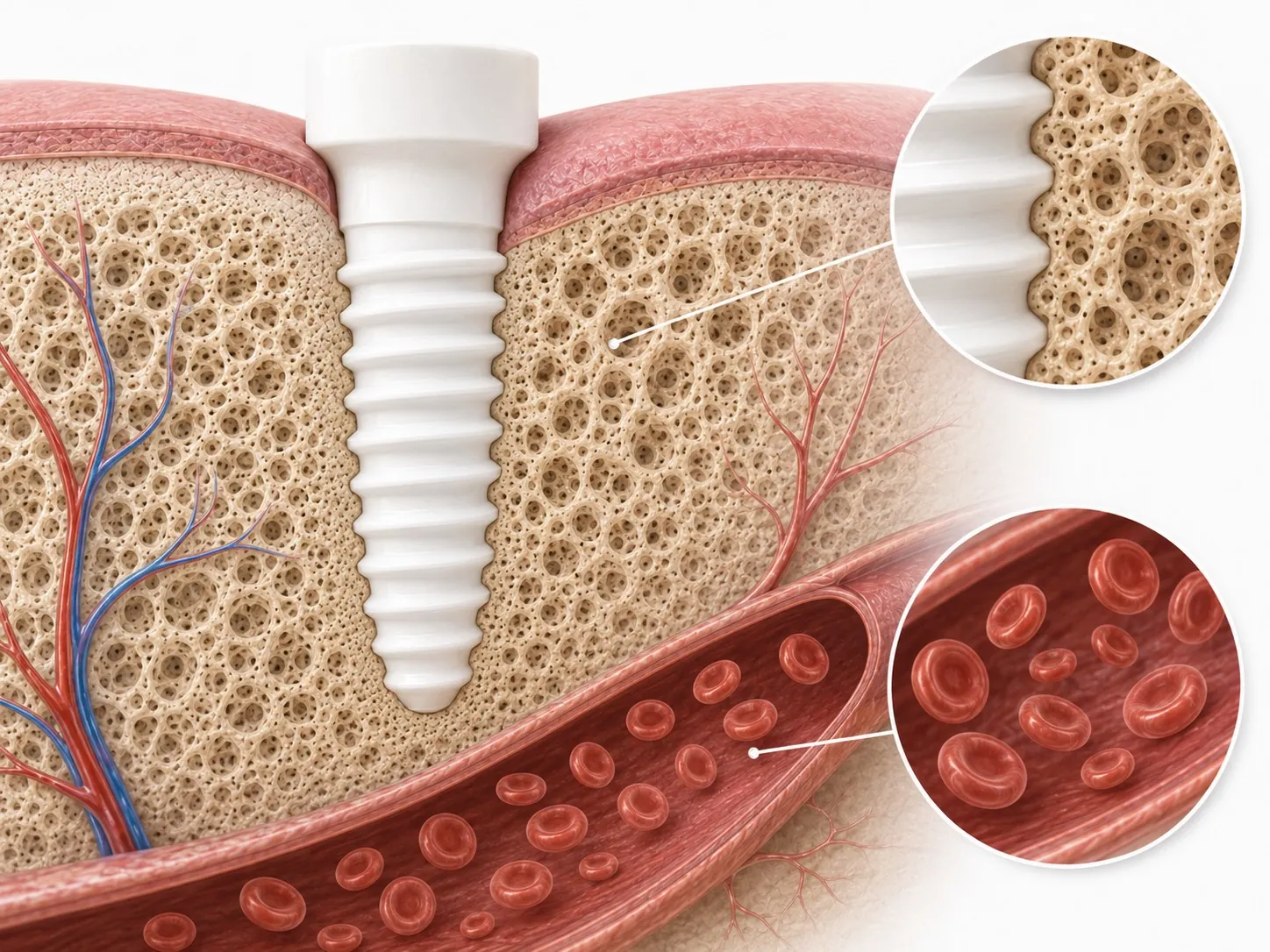
Zirconia implants
Ceramic, metal free implants, planned with 3D cone beam imaging. Zirconia in practice since 2001.
About zirconia implants ›A cavitation is an area of jawbone that never healed properly after a tooth was removed, most often a wisdom tooth. It often does not show on a standard flat x-ray. Dr. Panahpour looks for it with 3D cone beam imaging.
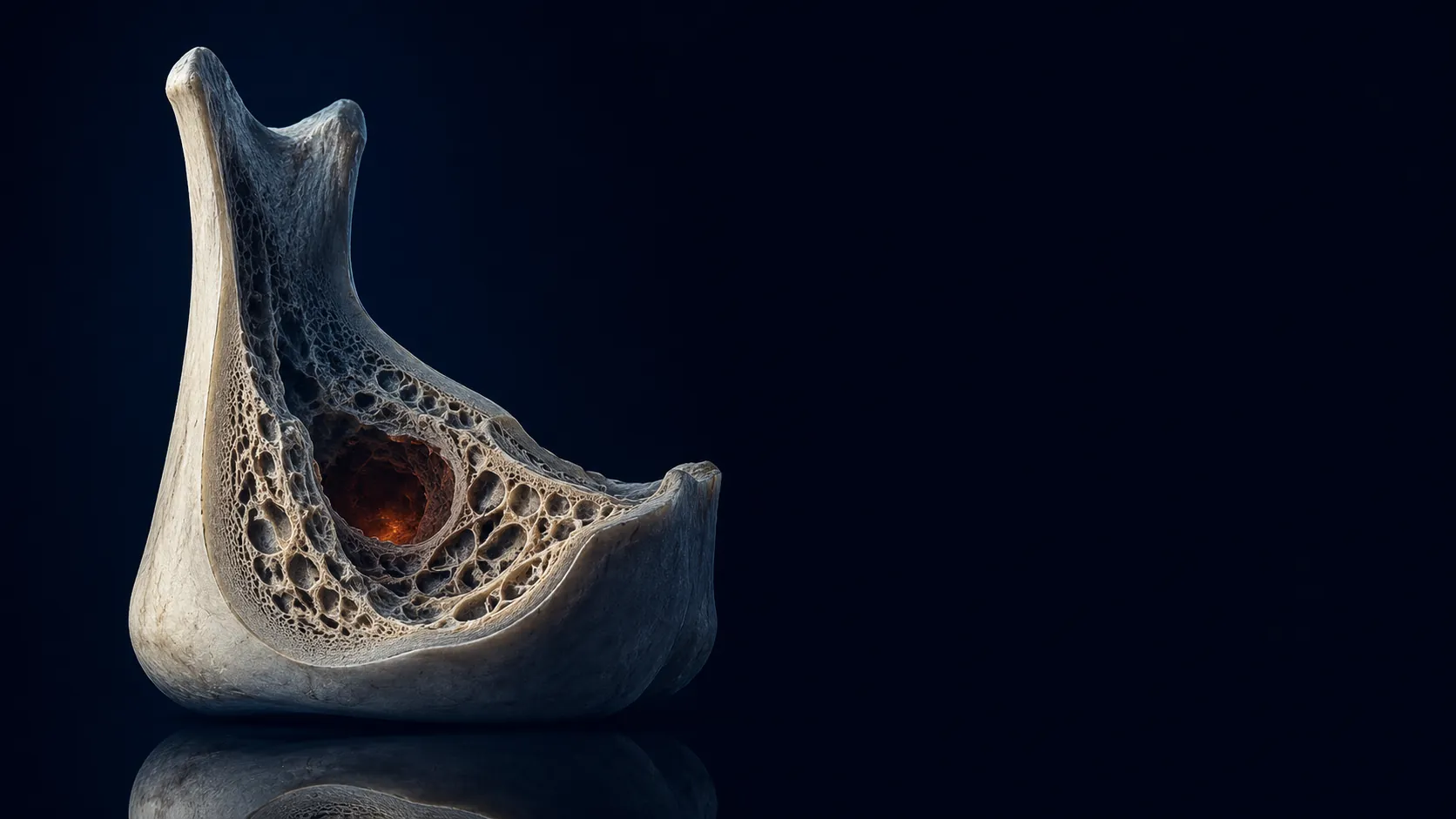
When a tooth is extracted, the socket is supposed to fill with new bone. Sometimes it does not. The gum closes over the top, while underneath a pocket of poorly healed bone can remain. Biological dentists call this a cavitation.
Because the surface looks healed, and a standard x-ray flattens the jaw into a single image, these sites are easy to miss. Cone beam CT shows the bone in three dimensions, slice by slice.
What happens when a site does need treatment.
Cone beam CT shows the inside of the bone in three dimensions, where a panoramic x-ray cannot.
A small, minimally invasive opening is made at the old extraction site.
Poorly healed tissue is removed and the bone is disinfected with a laser.
Medical grade ozone is applied to disinfect the site before it is closed.
Platelet rich fibrin, made from a small sample of your own blood, is placed to support the bone as it heals.
Cavitations are still discussed and debated within dentistry, and a scan alone does not settle every case. That is why the decision is never made from imaging in isolation. Dr. Panahpour reads the images together with your history, your symptoms and what your physician has found.
Some sites are best treated. Some are best watched. You will hear both possibilities, and the reasons, before anything is scheduled.
Cavitation work often sits alongside these protocols.
Ceramic, metal free implants, planned with 3D cone beam imaging. Zirconia in practice since 2001.
About zirconia implants ›
Medical grade ozone to disinfect the field before anything is closed. Used in this practice since 2008.
How ozone is used ›
Silver amalgam removed under the SMART protocol: the tooth isolated, vapour captured at the source and a separate air supply for you.
Safe removal, step by step ›
Materials and methods chosen for how your body responds to them: mercury safe, metal free where it suits, and as little drilling as the tooth allows.
Biological dentist in Santa Monica ›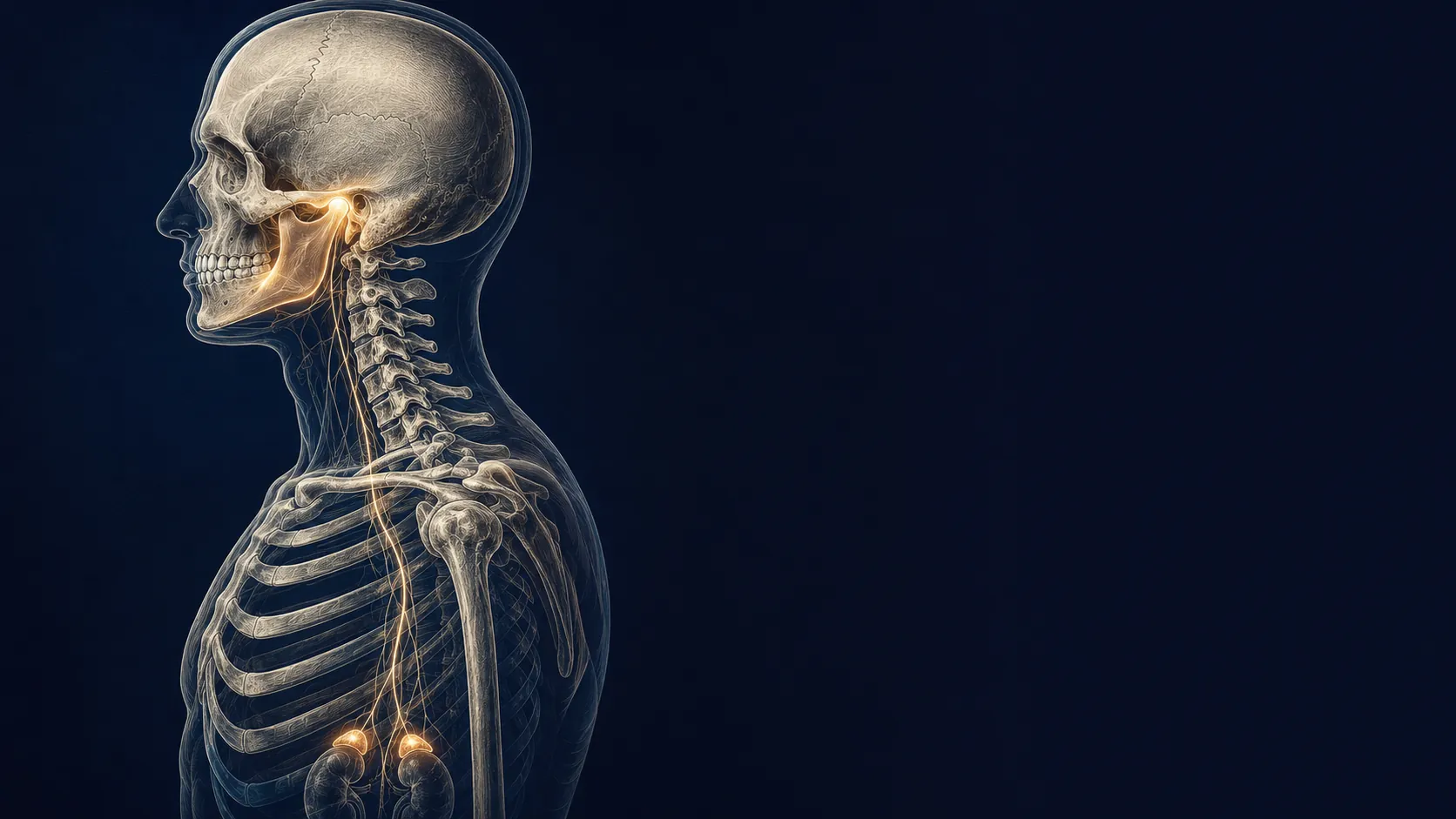
When the bite is uneven the jaw tilts, the skull compensates and the neck follows. The bite is measured first, before any restorative work.
How bite therapy works ›
Bonded restorations that behave like natural tooth, trained at the Alleman-Deliperi school in Sardinia. Often an alternative to a crown.
How biomimetic works ›Around seven out of ten of Dr. Panahpour's patients are referred by a physician, a chiropractor or another practitioner, often after other avenues have been explored.
He has practised biological dentistry since 1994, with training at NYU, Columbia, Sardinia and Sweden, and wrote The Good Dentist so patients can understand the work before they sit in the chair.
I've had three surgeries with Dr. Panahpour and I couldn't be in better hands. His focus on the whole-body system, his constantly updated knowledge, and his genuine care for me as a patient are second to none. I would whole-heartedly recommend him to anyone who wants to understand the connection between oral health and body health.S.B. · Patient · 2024 · Written authorization on file
Patients also travel in from across Southern California and from more than fourteen countries.
An area of bone that did not heal properly after an extraction, most often at an old wisdom tooth site. The gum heals over it, so it cannot be seen from the outside.
A standard x-ray compresses the jaw into one flat image, so changes inside the bone can be hidden by the bone around them. Cone beam CT shows the area in three dimensions.
A small opening at the old extraction site, removal of the poorly healed tissue, disinfection with laser and ozone, and platelet rich fibrin from your own blood to support healing.
That depends on the imaging, your history and your symptoms. Not every finding needs surgery. Dr. Panahpour will explain what he sees and the options, including monitoring.
It depends on how many sites are treated and how large they are. You will receive aftercare instructions specific to your treatment and a follow up plan.
Often, once the bone has healed. A metal free zirconia implant can be considered after healing is confirmed on imaging.
Yes. Cavitation evaluation and care are also offered at the Sacramento office.
If you already have a cone beam scan, bring it. The first conversation is unhurried, typically 60 to 90 minutes, by phone or in person.
Call, send a WhatsApp, or write through the form. Your message goes straight to Dr. Panahpour.
Your history, what has already been tried, and what you want from this. No rush.
What he finds and what he would do, including when the answer is that you need nothing.
Closer to Sacramento? See the Sacramento office