
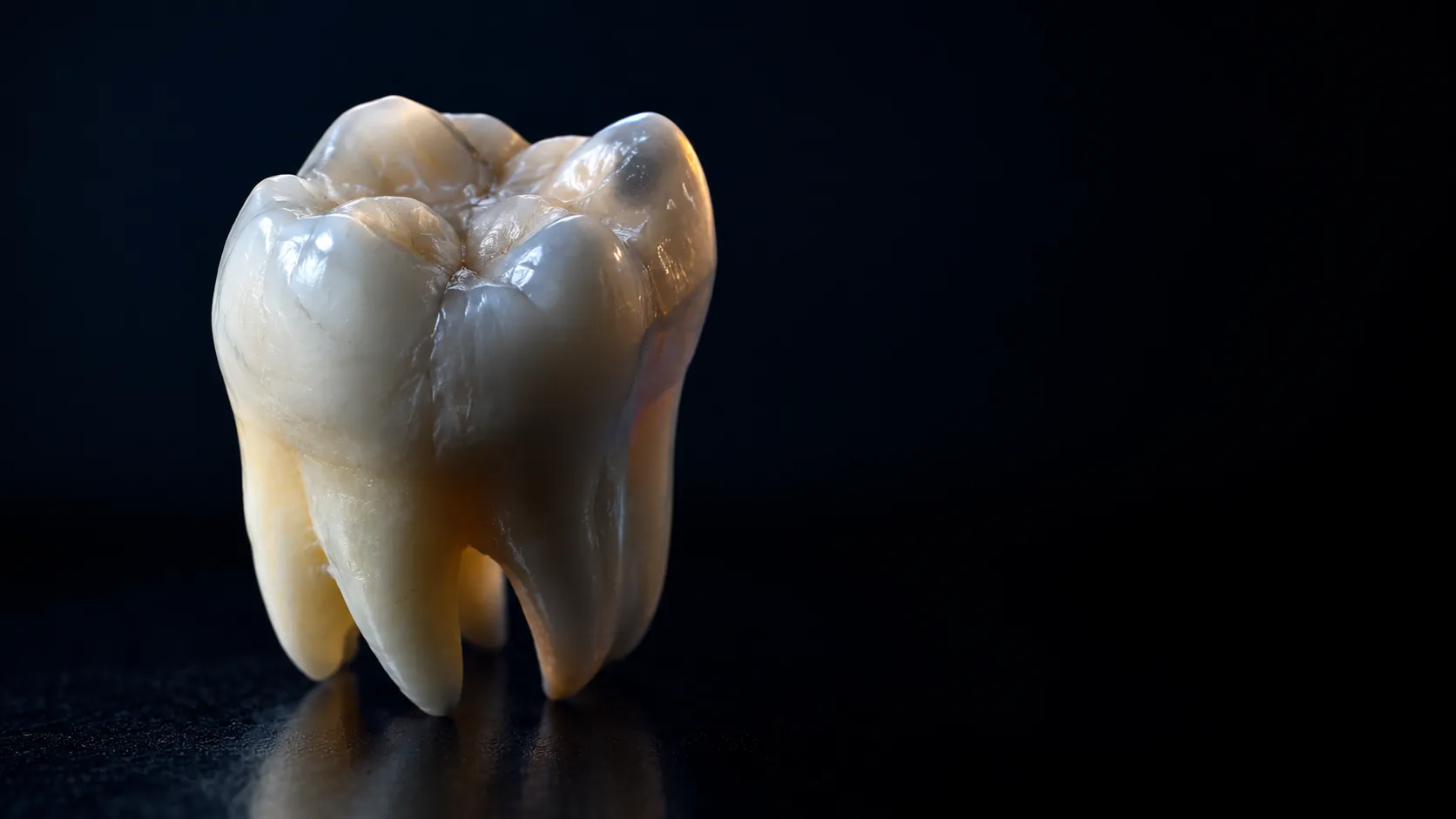
Biomimetic restoration
Bonded restorations that behave like natural tooth, trained at the Alleman-Deliperi school in Sardinia. Often an alternative to a crown.
How biomimetic works ›Silver fillings are about half mercury, and taking them out releases mercury vapour. So how they come out matters as much as whether they come out. Dr. Panahpour removes amalgam under the SMART protocol, the same way every time.

Amalgam gives off more mercury vapour when it is heated or ground, and a high speed drill does both. Without precautions, that vapour and fine particulate is released right next to your airway, and into the room.
The SMART protocol, the Safe Mercury Amalgam Removal Technique published by the International Academy of Oral Medicine and Toxicology, is designed to reduce that exposure for you and for the team. It is how every amalgam filling comes out in this practice.
What happens in the chair, in order.
A rubber dam seals the tooth off from the rest of your mouth, so fragments stay out of your mouth and throat.
High volume suction sits right at the tooth, pulling vapour and particles away at the source.
You breathe supplemental oxygen through a nasal cannula, away from the working field.
Coverings and eye protection for you. Vapour masks, face shields and gowns for the team.
The filling is cut into pieces and lifted out in chunks, kept cool with water, never ground into dust.
The FDA does not recommend removing amalgam fillings that are in good condition unless a health professional considers it necessary, because removal briefly raises mercury exposure and costs healthy tooth structure. It also advises certain higher risk groups to avoid new amalgam where possible, including people who are pregnant or nursing, young children, and people with kidney impairment, neurological conditions or a known mercury sensitivity.
So the first step is an honest look. Fillings that are cracked, leaking, worn or decayed underneath need replacing anyway. Others may be fine where they are. Dr. Panahpour examines each one, talks it through with you and, where it helps, with your physician. Then you decide together.
Amalgam is replaced with a bonded, metal free restoration, built to keep as much natural tooth as possible.
Bonded restorations that behave like natural tooth, trained at the Alleman-Deliperi school in Sardinia. Often an alternative to a crown.
How biomimetic works ›
Medical grade ozone to disinfect the field before anything is closed. Used in this practice since 2008.
How ozone is used ›
Materials and methods chosen for how your body responds to them: mercury safe, metal free where it suits, and as little drilling as the tooth allows.
Biological dentist in Santa Monica ›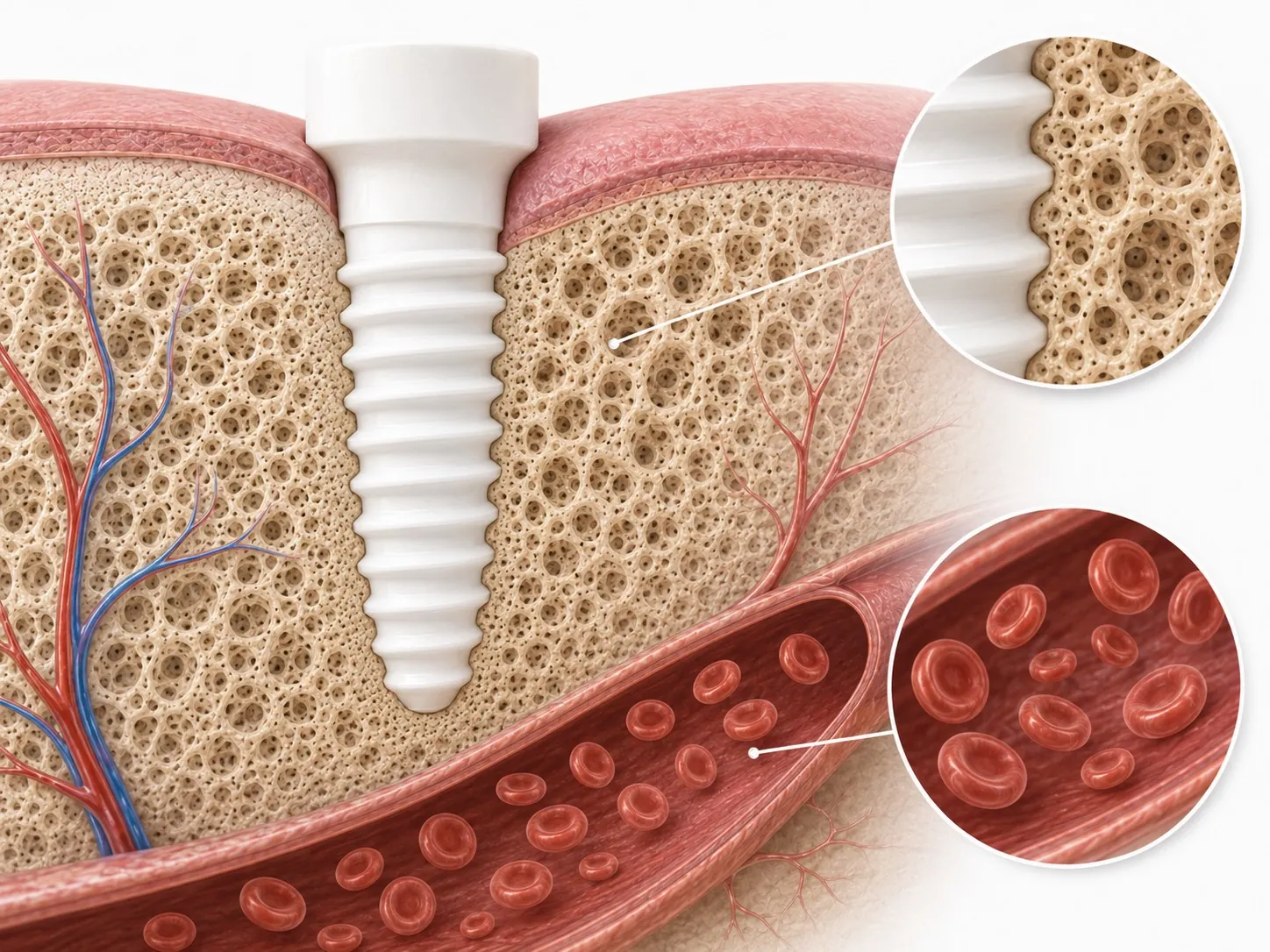
Ceramic, metal free implants, planned with 3D cone beam imaging. Zirconia in practice since 2001.
About zirconia implants ›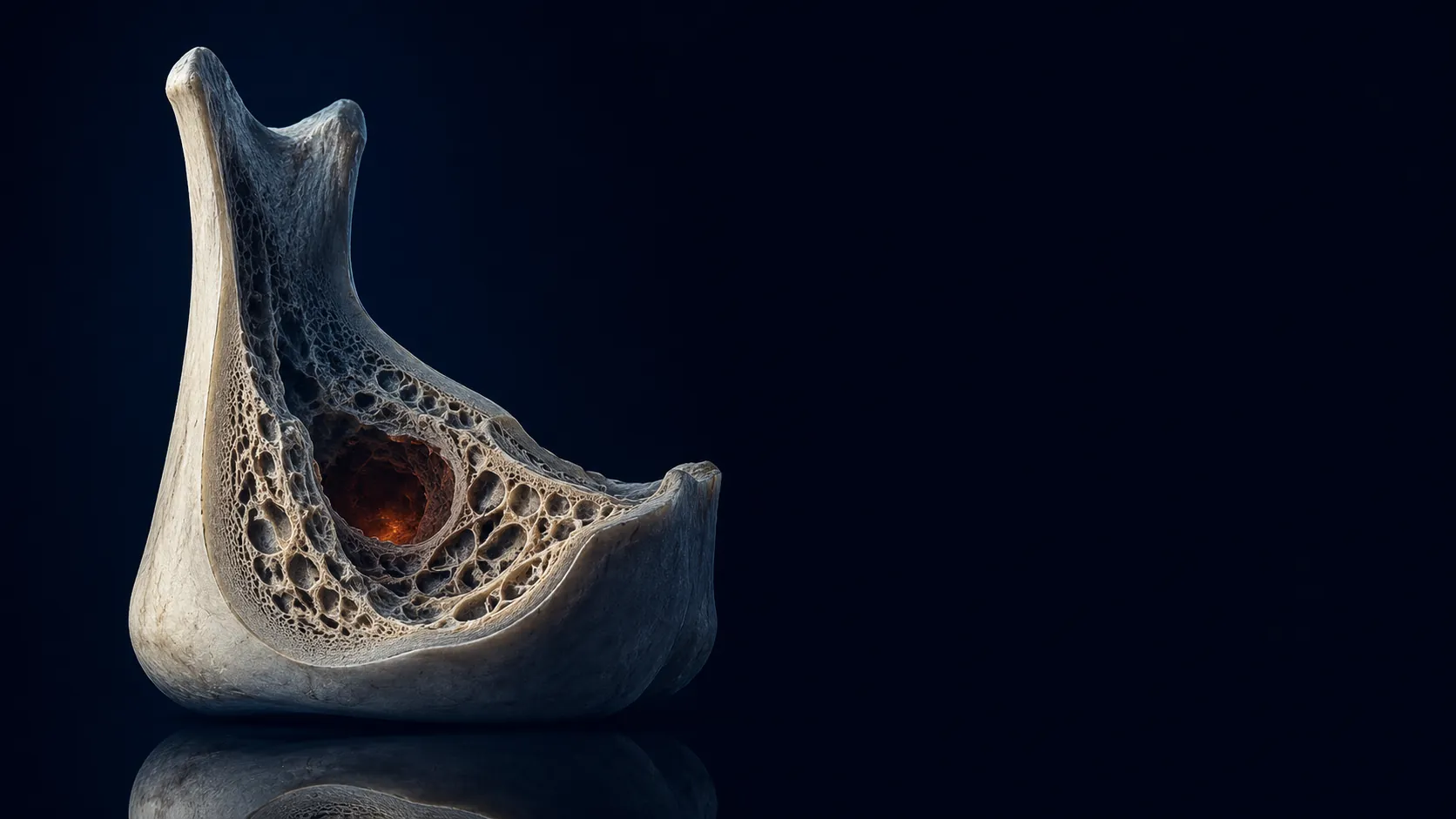
Poorly healed bone at old extraction sites, which a flat x-ray often misses. Found on cone beam imaging, cleaned, and supported with ozone and PRF.
About cavitation surgery ›
When the bite is uneven the jaw tilts, the skull compensates and the neck follows. The bite is measured first, before any restorative work.
How bite therapy works ›Dr. Panahpour completed implantology training in Sweden the year the country banned mercury in dentistry. He has practised biological dentistry in California since 1994 and is the author of The Good Dentist.
He removes amalgam the same way every time, because a protocol only protects you if no step is skipped.
Patients also travel in from across Southern California and from more than fourteen countries.
Dental amalgam is roughly half elemental mercury by weight, mixed with a powdered alloy of silver, tin and copper.
SMART stands for Safe Mercury Amalgam Removal Technique, a set of precautions published by the International Academy of Oral Medicine and Toxicology (IAOMT). It combines isolation, suction at the source, a separate air supply, protective coverings and removing the filling in pieces rather than grinding it.
Not necessarily. Fillings in good condition may be best left in place, and the FDA does not recommend removing sound amalgam unless a health professional considers it necessary. Fillings that are cracked, leaking or decayed need replacing anyway. Dr. Panahpour will examine each one and go through the options with you.
Talk it through with Dr. Panahpour and your physician first. Removal briefly increases mercury vapour exposure, and the FDA lists pregnancy and nursing among the situations that call for extra caution.
A bonded, metal free restoration. Where the tooth allows, Dr. Panahpour uses biomimetic technique, which removes only damaged structure and bonds to what remains, often avoiding a crown.
Yes. The same protocol is used at the Sacramento office on East Southgate Drive.
Bring recent x-rays if you have them. The first conversation is unhurried, typically 60 to 90 minutes, by phone or in person.
Call, send a WhatsApp, or write through the form. Your message goes straight to Dr. Panahpour.
Your history, what has already been tried, and what you want from this. No rush.
What he finds and what he would do, including when the answer is that you need nothing.
Closer to Sacramento? See the Sacramento office