

Safe mercury filling removal
Silver amalgam removed under the SMART protocol: the tooth isolated, vapour captured at the source and a separate air supply for you.
Safe removal, step by step ›A zirconia implant is a ceramic tooth root with no metal in it. White, non conductive and planned in 3D, it is the option Dr. Panahpour offers patients who want a metal free mouth.
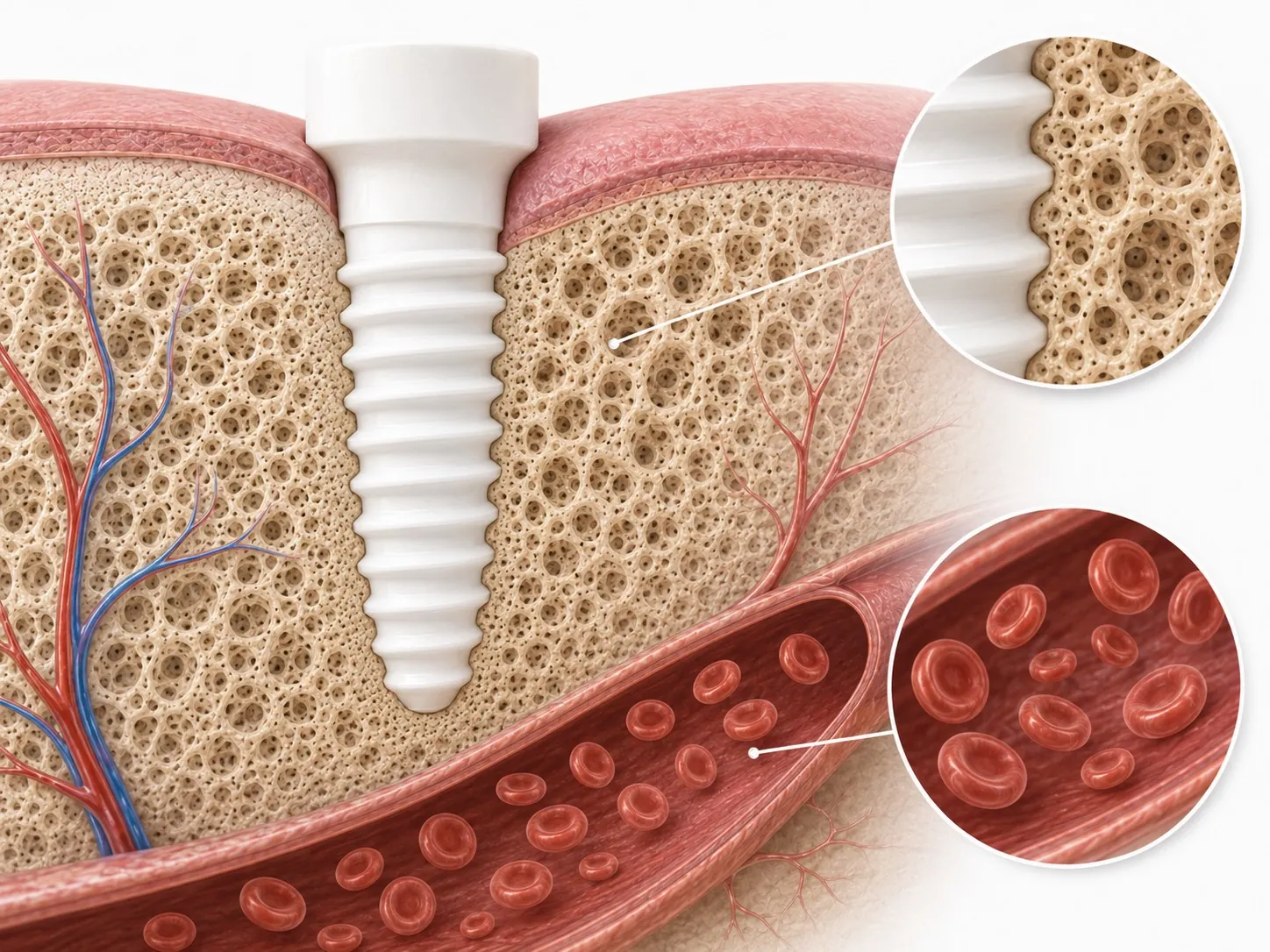
Titanium has been the standard implant material for decades. But some patients have a known sensitivity to metals, some already carry several different metals in their mouth, and some simply want a metal free mouth after their old amalgam has been removed.
Zirconia gives them a choice. It is a ceramic, so it does not corrode and does not conduct electricity. And it is white, so there is no grey shadow if the gum thins over the years.
From the first scan to the final tooth.
How your teeth meet is measured before anything is planned. Clenching and grinding load any implant, ceramic or metal.
Cone beam CT maps the height, width and density of the bone and the nerves and sinus nearby, so the position is planned in advance.
The ceramic implant is placed into the prepared site, with ozone used to disinfect the field.
Platelet rich fibrin made from your own blood can be placed at the site to support healing.
Once the bone has integrated with the implant, the final metal free crown is fitted.
Titanium has been used for longer and has the larger body of research. Zirconia's research base is younger and growing. For patients who want no metal at all, it is the ceramic option.
Not every site suits a ceramic implant. Bone volume, the position of the tooth and the forces of your bite all count, and they are assessed with 3D imaging before you commit to anything.
Implant work frequently follows other biological care. These are the protocols most often involved.
Silver amalgam removed under the SMART protocol: the tooth isolated, vapour captured at the source and a separate air supply for you.
Safe removal, step by step ›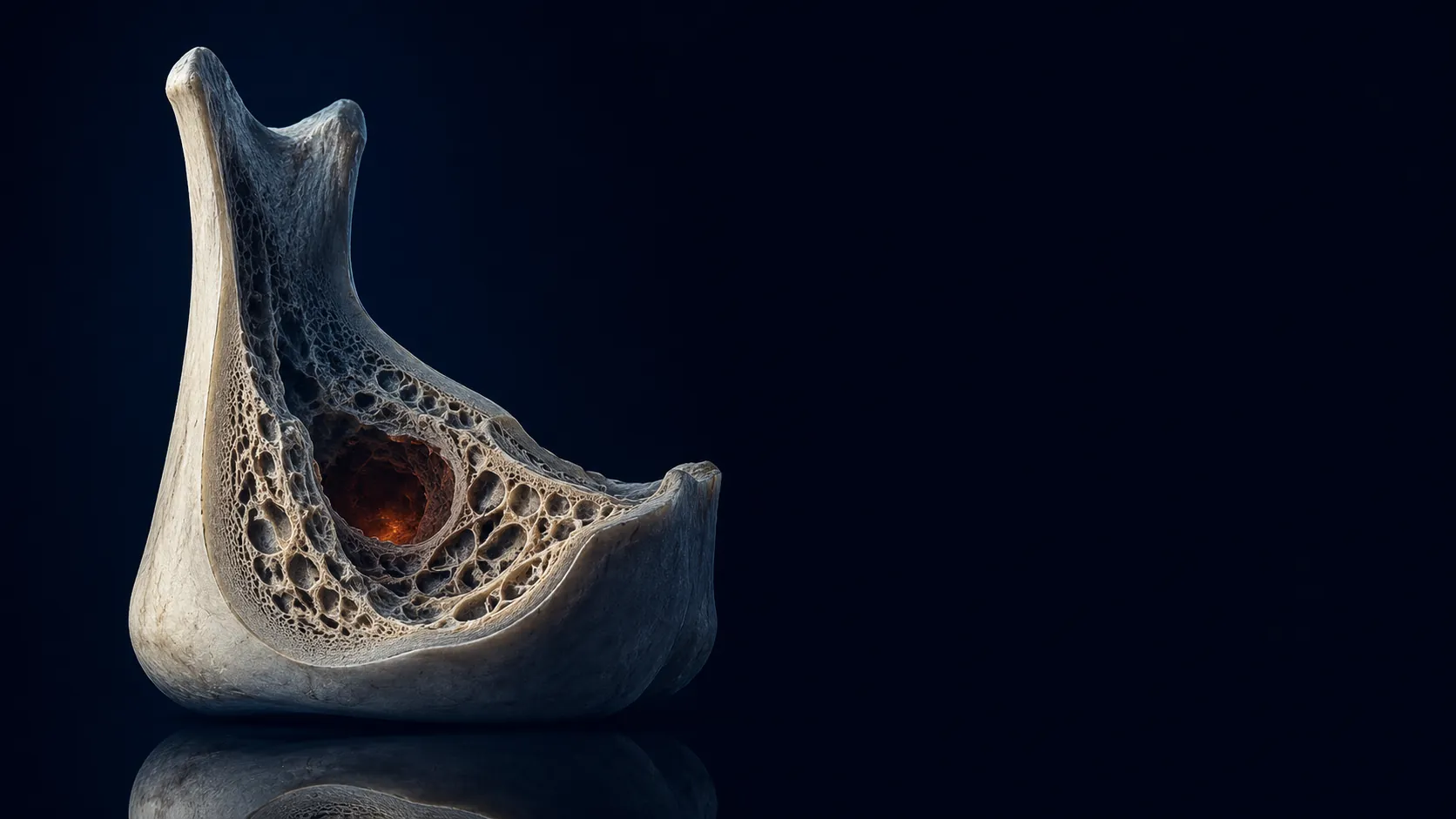
Poorly healed bone at old extraction sites, which a flat x-ray often misses. Found on cone beam imaging, cleaned, and supported with ozone and PRF.
About cavitation surgery ›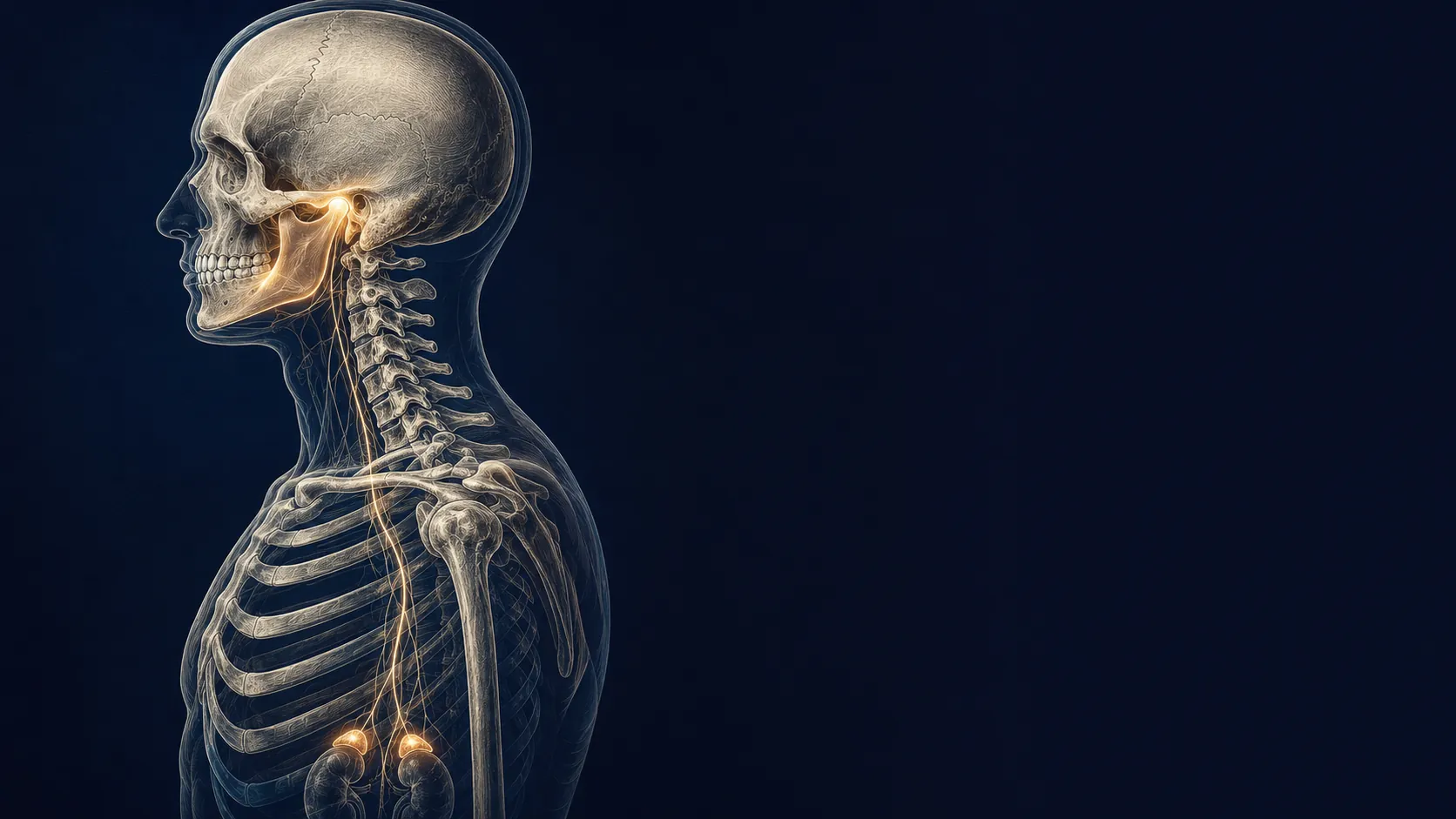
When the bite is uneven the jaw tilts, the skull compensates and the neck follows. The bite is measured first, before any restorative work.
How bite therapy works ›
Medical grade ozone to disinfect the field before anything is closed. Used in this practice since 2008.
How ozone is used ›
Bonded restorations that behave like natural tooth, trained at the Alleman-Deliperi school in Sardinia. Often an alternative to a crown.
How biomimetic works ›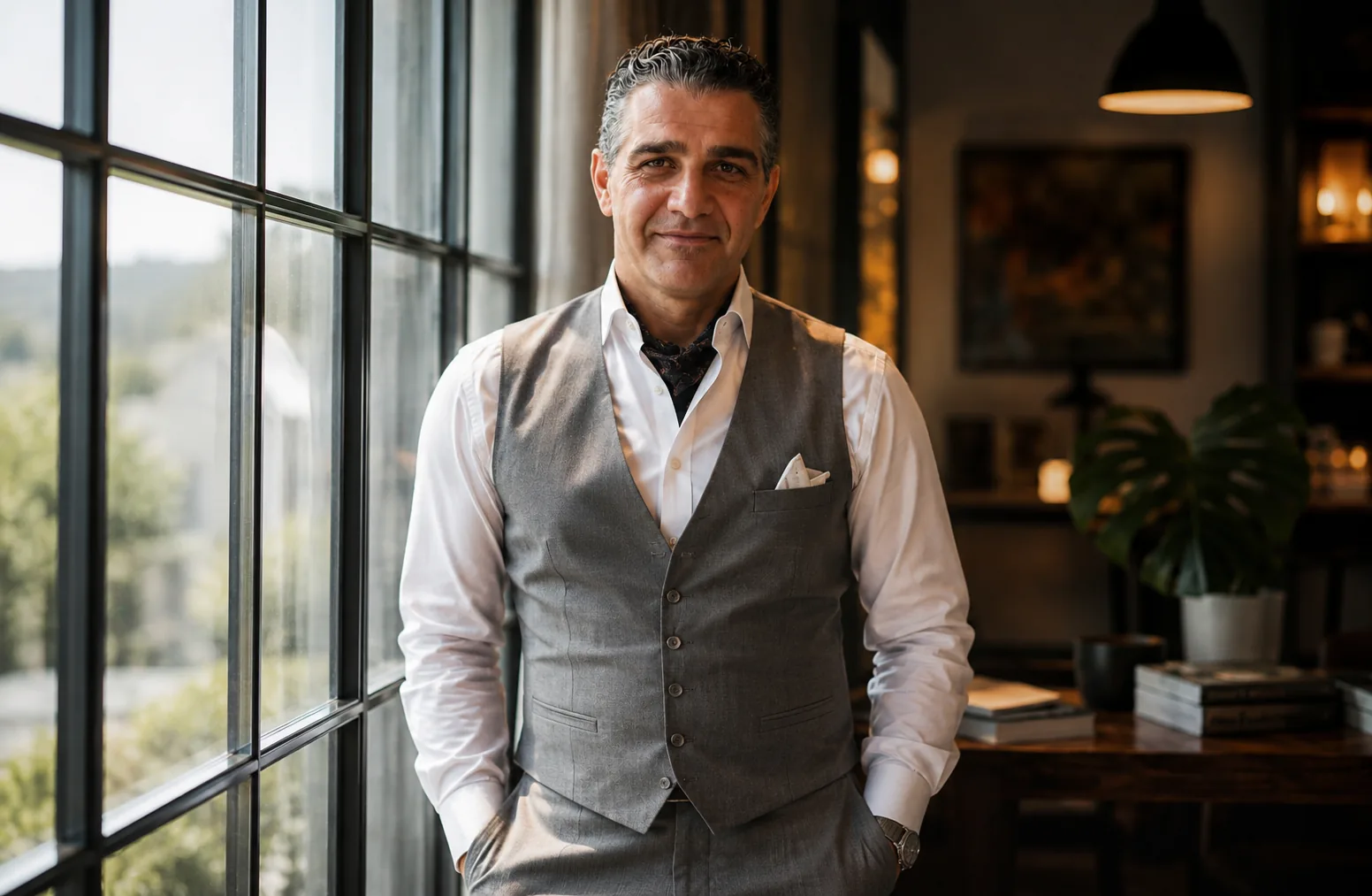
Materials and methods chosen for how your body responds to them: mercury safe, metal free where it suits, and as little drilling as the tooth allows.
Biological dentist in Santa Monica ›Dr. Panahpour trained in implantology in Sweden, and zirconia has been part of his practice since 2001. He plans every implant around the bite as well as the bone, because the forces your teeth carry matter as much as the material.
He is a fourth generation dentist, a Certified Instructor of Biomimetic Dentistry and the author of The Good Dentist.
I've had three surgeries with Dr. Panahpour and I couldn't be in better hands. His focus on the whole-body system, his constantly updated knowledge, and his genuine care for me as a patient are second to none. I would whole-heartedly recommend him to anyone who wants to understand the connection between oral health and body health.S.B. · Patient · 2024 · Written authorization on file
Patients also travel in from across Southern California and from more than fourteen countries.
A dental implant made from zirconium dioxide, a white ceramic, instead of titanium. Like any implant, it replaces the root of a missing tooth and supports a crown.
Yes. Zirconium is a metallic element, but zirconia, its oxide, is a ceramic. It does not corrode and does not conduct electricity.
Patients who want a metal free option, including people with a known metal sensitivity and those who have had amalgam removed. Bone volume, the tooth's position and the forces of the bite decide whether a particular site suits ceramic, and that is assessed with 3D imaging first.
It depends on the bone and on whether a tooth needs to be removed first. Healing usually takes a few months before the final crown is fitted. You will get a timeline for your case after the 3D scan.
Often, once the site is healthy. Old extraction sites are checked on cone beam imaging first, and any area that has not healed properly is treated before an implant is planned.
Yes. Implant cases can be planned and treated at either office.
The first conversation is unhurried, typically 60 to 90 minutes, by phone or in person.
Call, send a WhatsApp, or write through the form. Your message goes straight to Dr. Panahpour.
Your history, what has already been tried, and what you want from this. No rush.
What he finds and what he would do, including when the answer is that you need nothing.
Closer to Sacramento? See the Sacramento office