- A quote should cover the whole treatment: imaging, any extraction or bone graft, the implant, the abutment if there is one, and the final crown.
- Ceramic implants usually cost more than titanium, mainly because of how they are made and the smaller number of systems available.
- A 2023 meta-analysis estimated 97.2% survival for zirconia implants after five years, while noting that more long term trials are still needed.
- Compare complete treatment plans after a 3D scan, not single headline numbers.
Why there is no single price
Two people asking for "one zirconia implant" can need very different treatments. The final cost depends on things that can only be judged after an examination and a 3D scan:
- Whether the tooth is still there and needs to be removed first
- How much bone is available, and whether grafting is needed
- Where the tooth is, front or back, and the forces your bite puts on it
- Whether the implant is a one piece or two piece design
- The material and complexity of the final crown
U.S. consumer cost guides quote a complete single implant, meaning the implant, the connecting abutment and the crown, in the range of several thousand dollars per tooth, with wide variation by region and case. Treat any figure you see online, including those, as a rough orientation rather than a quote.
What a complete zirconia implant treatment includes
When you compare quotes, check that each of these is either included or clearly listed as not needed:
- Consultation and 3D imaging. Cone beam CT to measure the bone and plan the position.
- Extraction, if the tooth is still present, and time for the site to heal.
- Bone grafting, if the bone is too thin or too short.
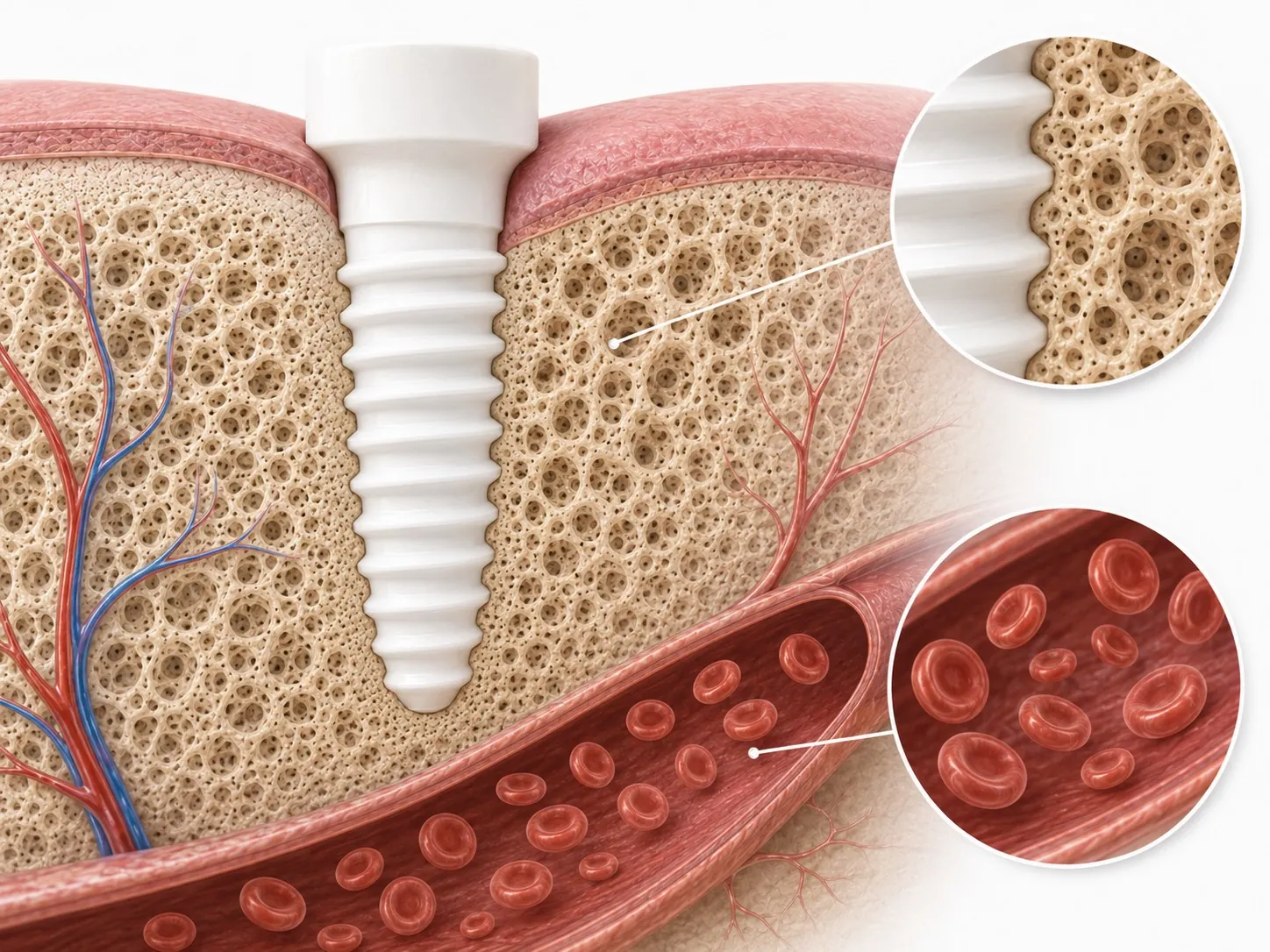
- The implant itself, the ceramic root that sits in the bone.
- The abutment, the connector between implant and crown, if the system is two piece.
- The final crown, usually ceramic as well, so the whole tooth is metal free.
- Healing support, such as platelet rich fibrin from your own blood, where it is used.
- Follow up visits and imaging.
Why zirconia usually costs more than titanium
Zirconia implants typically carry a premium over titanium. The main reasons:
- Manufacturing. Ceramic components are harder to machine and finish than metal ones.
- Fewer systems. There are far fewer ceramic implant systems and manufacturers, so less price competition.
- Planning and training. Ceramic implants are less forgiving of poor positioning, so careful 3D planning and clinician experience matter more.
Insurance, where it covers implants at all, usually treats them the same regardless of material, and annual maximums often limit what it pays. Ask the office for the procedure codes so you can check with your insurer.
How long do zirconia implants last?
The research is younger than for titanium, but encouraging. A 2023 systematic review and meta-analysis prepared for the International Team for Implantology consensus conference pooled studies with at least five years of follow up and estimated a five year survival of 97.2%, with marginal bone loss of about 1.1 mm. The authors concluded that commercially available zirconia implants showed reliable clinical performance at five years, and called for more well designed prospective studies and randomized trials comparing titanium and zirconia.
In plain terms: titanium has the longer track record and the larger body of research, and zirconia has a younger, growing one with promising medium term results.
Disadvantages to weigh honestly
- A shorter research record than titanium, as above.
- Less flexibility in some designs. One piece implants combine the root and the connector, which leaves fewer options for adjusting the final tooth.
- Not every site suits ceramic. Bone volume, the position of the tooth and heavy clenching or grinding all count, and they are assessed before you commit.
- Cost, as covered above.
Questions to ask when comparing quotes
- Is this a one piece or a two piece implant, and which system?
- What exactly is included, from the scan to the final crown?
- Do I need grafting, and is it in the quote?
- Will you measure my bite before planning, and what happens if I grind my teeth?
- What is the timeline from start to final tooth?
- What follow up is included?
Zirconia implants in Santa Monica
Zirconia has been part of Dr. Panahpour's practice since 2001. Every implant is planned with 3D cone beam imaging and around the bite as well as the bone, and you receive a full treatment plan and timeline after the scan, so you can compare like with like.
Common questions
Do zirconia implants cost more than titanium?
Usually, yes. Ceramic components are harder to manufacture and there are fewer systems available. The difference depends on the system and the case, so compare complete treatment plans rather than single prices.
How long do zirconia implants last?
A 2023 meta-analysis estimated a five year survival of 97.2% for commercially available zirconia implants. Titanium has a longer research record, and more long term trials of zirconia are still needed.
What are the disadvantages of zirconia implants?
A shorter research record than titanium, less flexibility in some one piece designs, higher cost, and not every site suits ceramic. Bone volume, tooth position and the forces of your bite are assessed first.
How much is a full set of zirconia implants?
A full arch is a different treatment from a single tooth, and its cost depends heavily on the number of implants, bone grafting and the type of final bridge. It can only be quoted properly after an examination and a 3D scan.
Does insurance cover zirconia implants?
Where a plan covers implants, it usually treats them the same regardless of material, and annual maximums often limit the benefit. Ask the office for procedure codes to check with your insurer.
Sources

Holistic and biological dentistry since 1994, in Santa Monica and Sacramento. IAOMT accredited and SMART certified. Fourth generation dentist and author of The Good Dentist.
Related: Zirconia Implants in Santa Monica · Cavitation Surgery in Santa Monica · Biological Dentist in Santa Monica
This article is general education, not medical or dental advice. Every mouth and every health history is different; please talk to a licensed professional about your own situation.