- Holistic dentistry is not a recognized dental specialty. Holistic dentists hold the same degree and license as any dentist; what differs is how widely they look.
- Holistic and biological overlap: holistic is the whole person lens, biological the choice of materials and methods. Many dentists practice both.
- Gum disease is associated with heart disease and diabetes, but the American Heart Association says cause and effect has not been confirmed.
- Good signs: the bite measured before restorative work, reversible steps first, honest talk about evidence and a dentist who works with your physician.
What is holistic dentistry?
Holistic dentistry is dentistry that treats your mouth as part of the rest of you. A holistic dentist is a licensed dentist who looks at your teeth, gums, bite and jaw alongside your medical history, your medications and what your physician has already found, and lets that wider picture shape every recommendation.
The procedures are the familiar ones. What changes is the context: plenty of good dentists think this way some of the time, and a holistic dentist makes it the starting point.
Is a holistic dentist a real dentist?
Yes. A holistic dentist earns the same dental degree, a DDS or DMD, and needs the same state license as any other dentist. What the word does not signal is a specialty. The National Commission on Recognition of Dental Specialties and Certifying Boards, an agency of the American Dental Association, currently recognizes 12 dental specialties, among them endodontics, periodontics, orthodontics and orofacial pain. Holistic dentistry is not one of them, and neither is biological dentistry.
There is no specialty board exam behind the label either. According to an Academy of General Dentistry (AGD) feature on the field, accredited dental schools do not offer specialized holistic education, and holistic dentists start from the same training as general dentists. Because no specialty body defines the term, each practice decides what it means, so the training a dentist chose after dental school tells you more than the word on the door.
What is the difference between holistic and biological dentistry?
Less than the names suggest. The AGD describes holistic, biological, natural and integrative dentists as working under one broad umbrella, and many practices use the words interchangeably. A useful shorthand: holistic is the lens, and biological is the toolkit.
- Holistic describes how widely the dentist looks: at you, your health history and the rest of your care, not only at the tooth that hurts.
- Biological describes what goes into your mouth and how: materials chosen for how your body tolerates them, mercury safe removal of old amalgam fillings, metal free options and techniques that keep as much healthy tooth as possible.
The International Academy of Oral Medicine and Toxicology (IAOMT), the professional body behind much of the biological view, describes biological dentistry as a way of thinking rather than a separate specialty: looking for the safest, least toxic way to reach the goals of modern dentistry while recognizing the connections between oral health and overall health. That second half is the holistic idea, which is why the two so often travel together. Dr. Panahpour practices both and calls the combination systemic dentistry. More on the materials side: What is a biological dentist?
What does a holistic dentist do differently?
Most of the difference shows up before any treatment begins.
- A longer first conversation. Expect questions about your medical history, medications, sleep, past dental work and what has already been tried. The AGD notes that a holistic exam is likely to be longer and more thorough than a typical one.
- The whole mouth, together. Gums, bite, jaw joints, chewing muscles and old restorations are examined as one system, with 3D imaging where it adds information.
- Conservative treatment. Minimally invasive options that remove as little healthy tooth as possible.
- Materials chosen with care. Many avoid placing mercury amalgam and prefer ceramics and other metal free materials, which is where holistic and biological dentistry meet.
- Breathing and sleep. Some ask about snoring and sleep, and work with physicians when a sleep evaluation makes sense.
Why do holistic dentists pay so much attention to the bite?
A new filling, crown or implant can change the way your upper and lower teeth meet, so holistic dentists tend to study the bite before restorative work rather than after it: how the teeth come together, how the jaw joints move, whether the chewing muscles are tender and whether there are signs of clenching or grinding. In Dr. Panahpour's practice, the bite is measured before any restorative work is planned.
Many holistic dentists also see the bite as one link in a chain running from the jaw to the head and neck, so jaw tension, headaches and neck strain become part of the dental conversation. That is the holistic view. Mainstream guidance is more conservative about that chain. The National Institute of Dental and Craniofacial Research (NIDCR), part of the National Institutes of Health (NIH), describes jaw joint and muscle disorders (TMD) as having several contributing factors, including genes, stress and the way pain is processed, notes that many cases settle with simple care, and recommends conservative treatment first, avoiding treatments that permanently change the teeth, bite or jaw joints.
Where the two views agree is on method: measure carefully, and start with steps that can be undone, such as an oral appliance, before anything permanent.
Does your mouth really affect the rest of your body?
This is the central idea of holistic dentistry, and it is no longer a fringe one. The NIH's 2021 report Oral Health in America concluded that oral and medical conditions often share risk factors, and that oral conditions and their treatments can affect other health issues, just as medical conditions can affect the mouth. Two links come up most often: gum disease with heart disease, and gum disease with diabetes. In both, the honest word is association: the conditions tend to appear together, which does not prove that one causes the other.
Gum disease and heart disease
Gum (periodontal) disease affects more than 40 percent of U.S. adults over 30. In a December 2025 scientific statement, the American Heart Association reported that gum disease is associated with a higher risk of heart attack, stroke, atrial fibrillation and heart failure, and that emerging data suggest the link is not fully explained by shared risk factors. The statement is just as clear that cause and effect has not been confirmed, and that there is no direct evidence that treating gum disease prevents cardiovascular disease. It calls for more long term research, and suggests people with cardiovascular risk factors may benefit from regular dental screening and gum care.
Gum disease and diabetes
Here the relationship appears to run both ways. According to the NIDCR, people with diabetes have a higher chance of developing gum disease, poorly controlled blood sugar makes mouth problems more likely, and gum disease in turn may make blood sugar harder to control. That is exactly why your dentist and your doctor should know what the other is seeing.
None of this means dental treatment replaces medical care. Healthy gums are worth having for their own sake, and if you live with diabetes or heart disease risk factors, your gum health belongs in the conversation with your physician. Biological dentists and the IAOMT go further and ask whether other dental conditions and materials affect whole body health too, and the IAOMT itself acknowledges that this wider view has yet to be extensively recognized. A careful dentist keeps what is established separate from what is still being argued. The practice's approach is set out on its oral systemic health page.
Why does a holistic dentist work with your physician?
Because the mouth and the body are connected, but the jobs are not. A dentist is responsible for the teeth, mouth and surrounding structures of the head and neck; your physician manages your medical care. A holistic dentist may notice something worth looking into, such as persistent bleeding and swollen gums, which can be related to diabetes, but the right move is to tell you and refer you, not to diagnose it. As one holistic dentist told the AGD, a dentist is a dentist and a physician is a physician.
Collaboration is usually practical rather than dramatic:
- Sharing exam and imaging findings with your physician, with your permission
- Reviewing your medications and medical conditions before any procedure
- Planning dental surgery around your other medical care
- Referring you for medical tests instead of guessing
Here mainstream and biological dentistry agree. The NIH report calls for health professionals to work together on integrated oral, medical and behavioral care, and the IAOMT promotes active cooperation between dentists and other health professionals. Many of Dr. Panahpour's patients are referred by a physician, a chiropractor or another practitioner, and with your permission his findings go back to them.
Is holistic dentistry legit?
The core idea is sound: the NIH and the American Heart Association both recognize links between oral health and general health. The label is not a quality mark, though. Nobody certifies the word holistic, so practices that use it range from careful, evidence minded dentistry to approaches with little support.
Root canal treatment shows how this plays out. It is a standard procedure that the American Association of Endodontists considers safe and effective, while many holistic dentists approach it more cautiously. The right answer depends on the tooth, as explained in Holistic dentistry and root canals.
These questions help separate a thoughtful practice from a label:
- What training have you done beyond dental school? Look for specifics, such as IAOMT accreditation or SMART certification.
- Which recommendations rest on strong evidence, and which are judgment calls? A good holistic dentist can tell you.
- Will you talk to my physician? The answer should be yes.
- What happens if we wait? Sometimes watching and rechecking is the right call.
- Can this step be undone? With the bite and jaw especially, reversible options come first.
Be cautious with anyone who promises outcomes, recommends replacing everything at once or suggests you stop seeing your doctor.
Holistic dentistry with Dr. Panahpour in Santa Monica and Sacramento
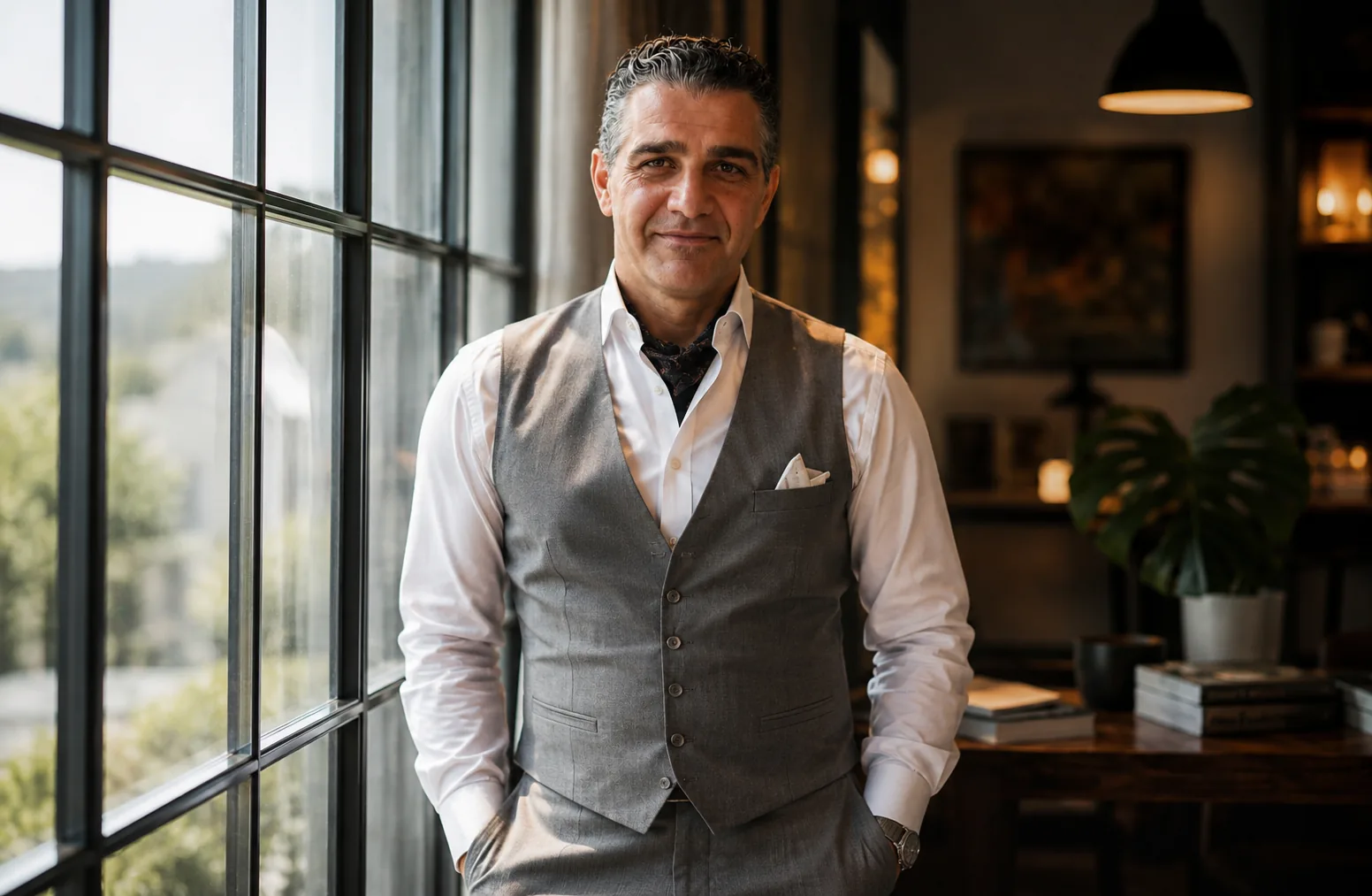
Dr. Alireza Panahpour has practiced since 1994. He is an accredited, SMART certified member of the IAOMT, a Certified Instructor of Biomimetic Dentistry and the author of The Good Dentist, and he sees patients at offices in Santa Monica and Sacramento. Care begins with an unhurried conversation, typically 60 to 90 minutes, by phone or in person, about your history, your concerns and what your physician has already found. At the first visit he examines your teeth, gums, bite and jaw, with 3D imaging where it is useful, and nothing is drilled. If you would like your mouth looked at in the context of your whole health, you are welcome to request a consultation.

Common questions
What does a holistic dentist do differently?
The procedures are the same as at any dental office, but decisions are made in a wider context. Expect a longer conversation about your medical history and medications, an examination of your gums, bite and jaw as well as your teeth, a preference for conservative treatment and metal free materials, and coordination with your physician when a finding matters beyond the mouth.
Is holistic dentistry recognized by the ADA?
Not as a specialty. The National Commission, the American Dental Association agency that recognizes dental specialties, lists 12, and holistic dentistry is not among them. Holistic dentists hold the same degree and state license as other dentists, so it is worth asking any practice what training stands behind the word.
Is a holistic dentist the same as a biological dentist?
The terms overlap and are often used interchangeably. Holistic usually refers to the whole person view of your care, and biological to the materials and methods, such as mercury safe removal of old fillings and metal free options. Many dentists, including Dr. Panahpour, practice both.
Is holistic dentistry legit?
The core idea is well supported: the NIH and the American Heart Association both recognize links between oral health and general health. The label itself is not regulated, so quality varies from practice to practice. Ask about training, which recommendations rest on strong evidence, and whether the dentist will work with your physician.
Do holistic dentists do root canals?
It varies. Root canal treatment is a standard procedure that the American Association of Endodontists considers safe and effective. Some holistic dentists are more cautious with it and weigh each tooth individually, comparing a root canal with the other options in light of the examination, imaging and your health history.
Does insurance cover holistic dentistry?
Insurers pay for specific procedures, whatever a dentist calls their approach, so coverage depends on your plan, the procedure codes and whether the office is in your network. Some holistic practices bill insurance and some are cash only. Ask the office for the codes and check with your insurer before treatment.
Sources
- National Commission on Recognition of Dental Specialties and Certifying Boards (American Dental Association): Recognized dental specialties
- Academy of General Dentistry, AGD Impact: Holistic dentistry: finding a balance (February 2022)
- International Academy of Oral Medicine and Toxicology (the biological view): Oral health integration and biological dentistry
- National Institutes of Health: Report details 20 years of advances and challenges of Americans' oral health (Oral Health in America, 2021)
- American Heart Association: Gum disease may be linked to plaque buildup in arteries, higher risk of major CVD events (scientific statement, December 2025)
- National Institute of Dental and Craniofacial Research (NIH): Diabetes and oral health
- National Institute of Dental and Craniofacial Research (NIH): TMD (temporomandibular disorders)
Holistic and biological dentistry since 1994, in Santa Monica and Sacramento. IAOMT accredited and SMART certified. Fourth generation dentist and author of The Good Dentist.
Related: Holistic Dentist in Santa Monica · Biological Dentist in Santa Monica · Oral Systemic Health in Santa Monica
This article is general education, not medical or dental advice. Every mouth and every health history is different; please talk to a licensed professional about your own situation.