- A biological dentist is a licensed dentist, not a separate specialty. The difference is in the choices: materials, methods and how much healthy tooth is removed.
- Typical defaults include mercury safe removal of old amalgam, metal free options, conservative restorations and 3D imaging.
- Some ideas in the field are well supported and some are still debated. A good biological dentist tells you which is which.
- Check training before you book. The IAOMT directory shows whether a dentist is SMART certified or accredited.
The short answer
A biological dentist is a licensed dentist who chooses materials and methods with one more question in mind: how will your body respond to this? The training, the license and the state dental board are the same as for any other dentist. What changes are the defaults.
The International Academy of Oral Medicine and Toxicology (IAOMT), the professional body most associated with the field, is clear that biological dentistry is not a separate recognized specialty. It describes it instead as a thought process and an attitude: always looking for the safest, least toxic way to reach the goals of modern dentistry.
You will also see the term biological dentist meaning searched more and more. In plain English: a biological dentist treats your teeth as part of you, not as separate objects to be repaired.
What a biological dentist does differently
Most of the differences are about what happens by default, before you ever have to ask.
- Mercury safe removal. Old silver amalgam fillings are removed under a protocol designed to limit mercury vapour, such as the IAOMT's SMART protocol: the tooth isolated with a rubber dam, suction at the source, a separate air supply for you and the filling cut out in pieces rather than ground down.
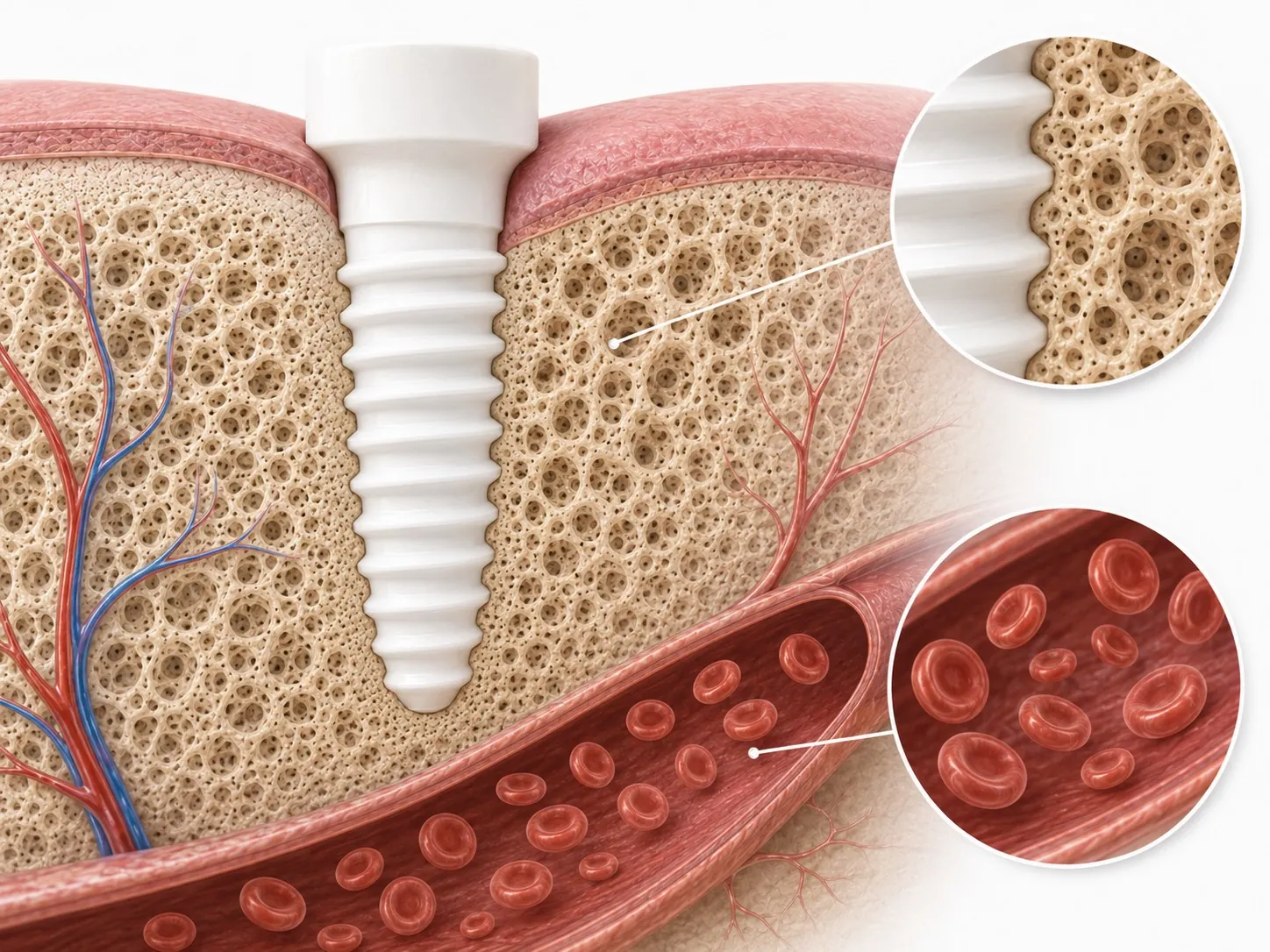
- Metal free materials where they suit. Bonded composite and ceramic restorations for teeth, and ceramic (zirconia) implants for patients who want no metal.
- As little drilling as possible. Conservative and biomimetic techniques remove only damaged structure and bond to what remains, often instead of cutting a tooth down for a crown.
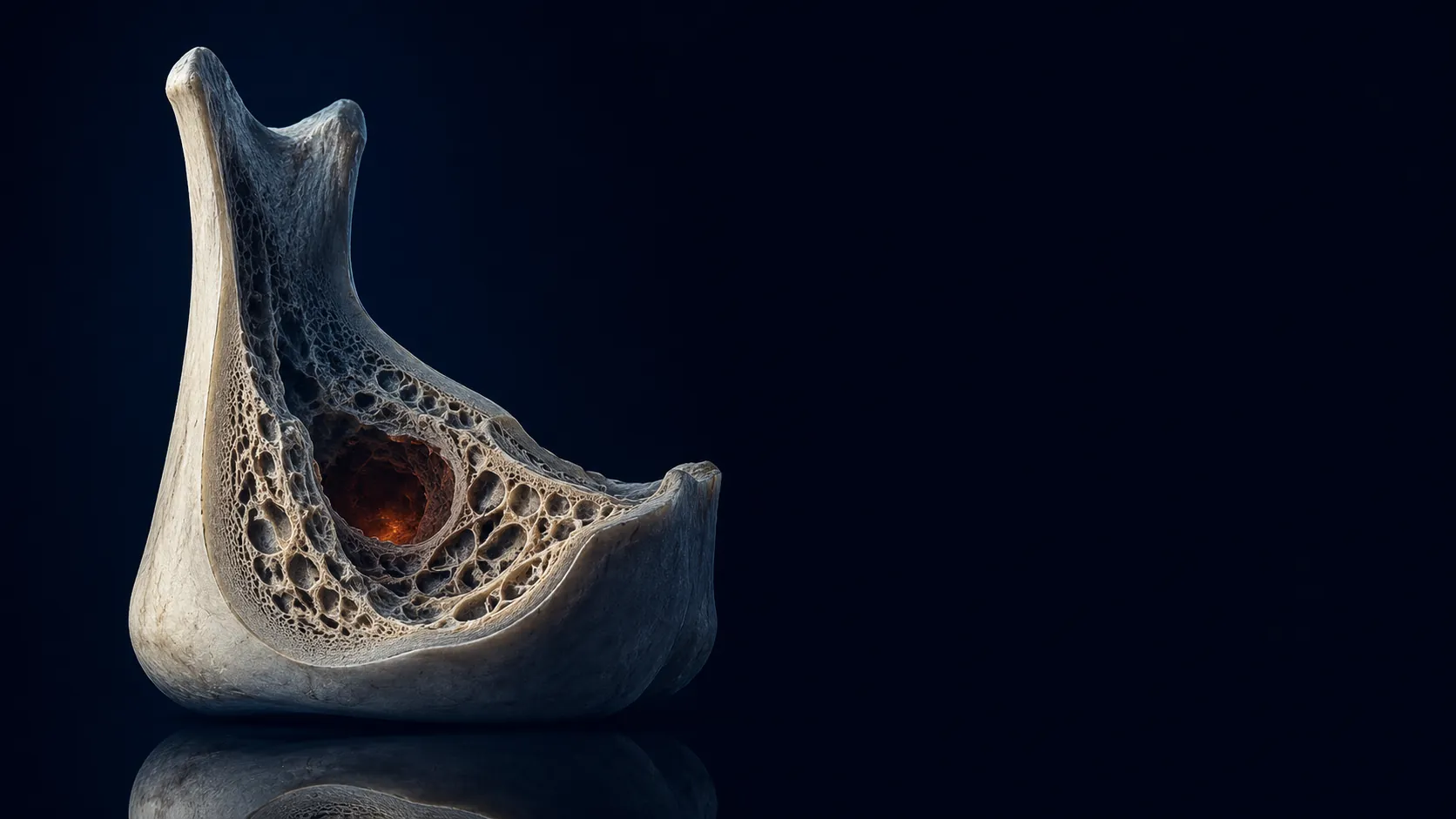
- 3D imaging when it helps. Cone beam CT shows the inside of the bone in three dimensions, where a flat x-ray can miss things.
- Your whole history in the room. Your medical history, medications and what your physician has found are part of the dental plan, and many biological dentists work closely with referring doctors.
Biological dentist vs regular dentist
A conventional dentist can do many of these things too, and plenty of excellent general dentists place tooth colored fillings and use rubber dams every day. The difference is mostly emphasis and consistency. In a biological practice, mercury safe removal, metal free options and conservative restorations are the standard way of working rather than special requests.
Insurance is the same story. Insurance pays for procedures, not philosophies. Whether a visit is covered depends on your plan and on whether the practice is in your network, so ask the office for the procedure codes and check with your insurer before treatment.
What the evidence says
Biological dentistry sits on a spectrum of evidence, and it is worth being honest about that.
On mercury, the mainstream and biological positions are closer than most people think. The U.S. Food and Drug Administration (FDA) advises certain higher risk groups, such as people who are pregnant or nursing, young children and people with kidney impairment, to avoid new amalgam where possible. The American Dental Association maintains that amalgam is safe for the general population. Both agree that fillings in good condition do not need to be removed unless a health professional considers it necessary.
The direction of travel is clear. The European Union stopped the routine use of dental amalgam from 1 January 2025, and in November 2025 the parties to the Minamata Convention on Mercury agreed a global phase out of dental amalgam by 2034, with an exception where a dentist judges it necessary for a patient.
Other ideas, such as jawbone cavitations, rest on a thinner and more debated body of research. A careful biological dentist will tell you when a recommendation rests on strong evidence and when it is a clinical judgment call.
Why biological dentists approach root canals carefully
Root canal treatment is a standard and widely performed procedure. Some biological dentists are more cautious with it because a tooth's root contains small side branches, called lateral or accessory canals, that are very difficult to clean completely.
In practice that means looking at each tooth on its own merits: whether it can be saved with a conservative restoration, whether a root canal is the right call, or whether extraction followed by careful healing and replacement makes more sense. The decision should come from an examination and imaging, not from a rule.
How to choose a biological dentist
Because there is no separate specialty license, the label alone does not tell you much. These questions do.
- What is your IAOMT training? The IAOMT member directory lists each dentist's level. SMART certified members have completed training in the safe removal of mercury fillings; accredited members have completed a ten unit course in biological dentistry.
- How exactly do you remove amalgam? Listen for a rubber dam, suction at the source, a separate air supply and sectioning the filling.
- Do you use 3D imaging? Ask when it is used and why.
- Will you talk to my physician? A good biological dentist welcomes it.
- Will you tell me when I need nothing? Be wary of anyone who promises outcomes or recommends replacing everything at once.
Biological dentistry with Dr. Panahpour
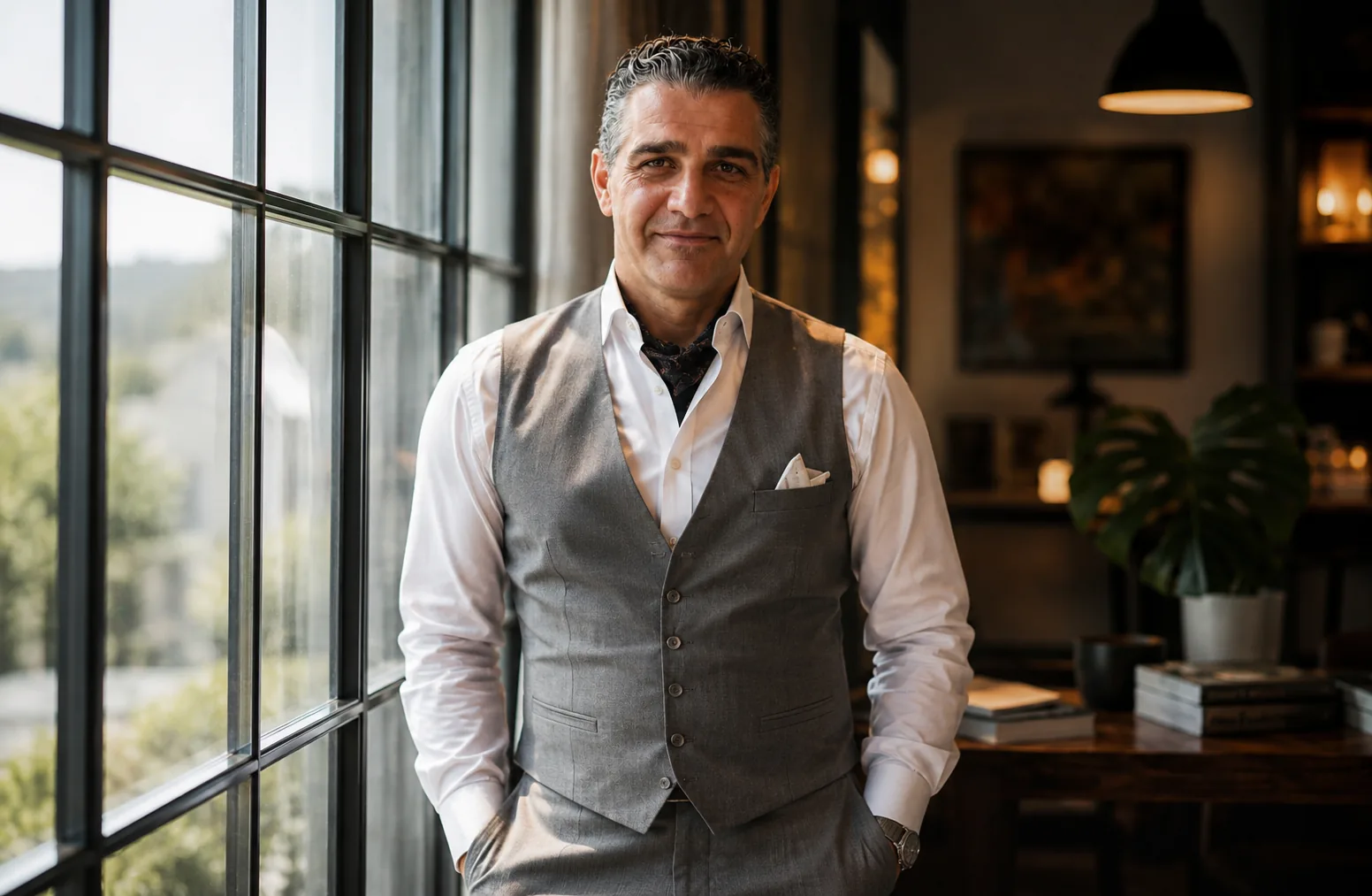
Dr. Alireza Panahpour has practised biological dentistry since 1994 and is an accredited, SMART certified member of the IAOMT. He sees patients in Santa Monica and Sacramento, and around seven in ten arrive through a referral from a physician, a chiropractor or another practitioner.
Common questions
What is the difference between a regular dentist and a biological dentist?
Both are licensed dentists with the same core training. A biological dentist makes certain choices by default: mercury safe removal of old amalgam, metal free materials where they suit, conservative restorations, 3D imaging when useful and close attention to your medical history.
Is a biological dentist the same as a holistic dentist?
The terms overlap and are often used interchangeably. Holistic usually describes looking at the mouth in the context of your whole health, and biological describes the materials and methods. Many practices, including Dr. Panahpour's, do both.
Does insurance cover a biological dentist?
Insurance covers procedures, not the label. Coverage depends on your plan and on whether the practice is in your network. Ask the office for the procedure codes and check with your insurer before treatment.
Why are biological dentists cautious about root canals?
A tooth's root has small side branches that are hard to clean completely, so some biological dentists weigh each case carefully. Root canal treatment is a standard procedure, and the right option depends on the individual tooth, the imaging and your history.
How do I find a biological dentist near me?
Start with the IAOMT member directory, which shows each dentist's training level, then ask how they remove amalgam, whether they use 3D imaging and whether they will coordinate with your physician.
Sources
- International Academy of Oral Medicine and Toxicology: About IAOMT and biological dentistry
- U.S. Food and Drug Administration: Information for patients about dental amalgam fillings
- American Dental Association: The ADA reaffirms its position on dental amalgam (2020)
- UN Environment Programme: Minamata Convention COP-6 agrees end to use of dental amalgam by 2034
- European Parliament Legislative Observatory: Regulation (EU) 2024/1849 on mercury and dental amalgam
Holistic and biological dentistry since 1994, in Santa Monica and Sacramento. IAOMT accredited and SMART certified. Fourth generation dentist and author of The Good Dentist.
Related: Biological Dentist in Santa Monica · Safe Mercury Filling Removal in Santa Monica · Holistic Dentist in Santa Monica
This article is general education, not medical or dental advice. Every mouth and every health history is different; please talk to a licensed professional about your own situation.